
 POST-BURNOUT
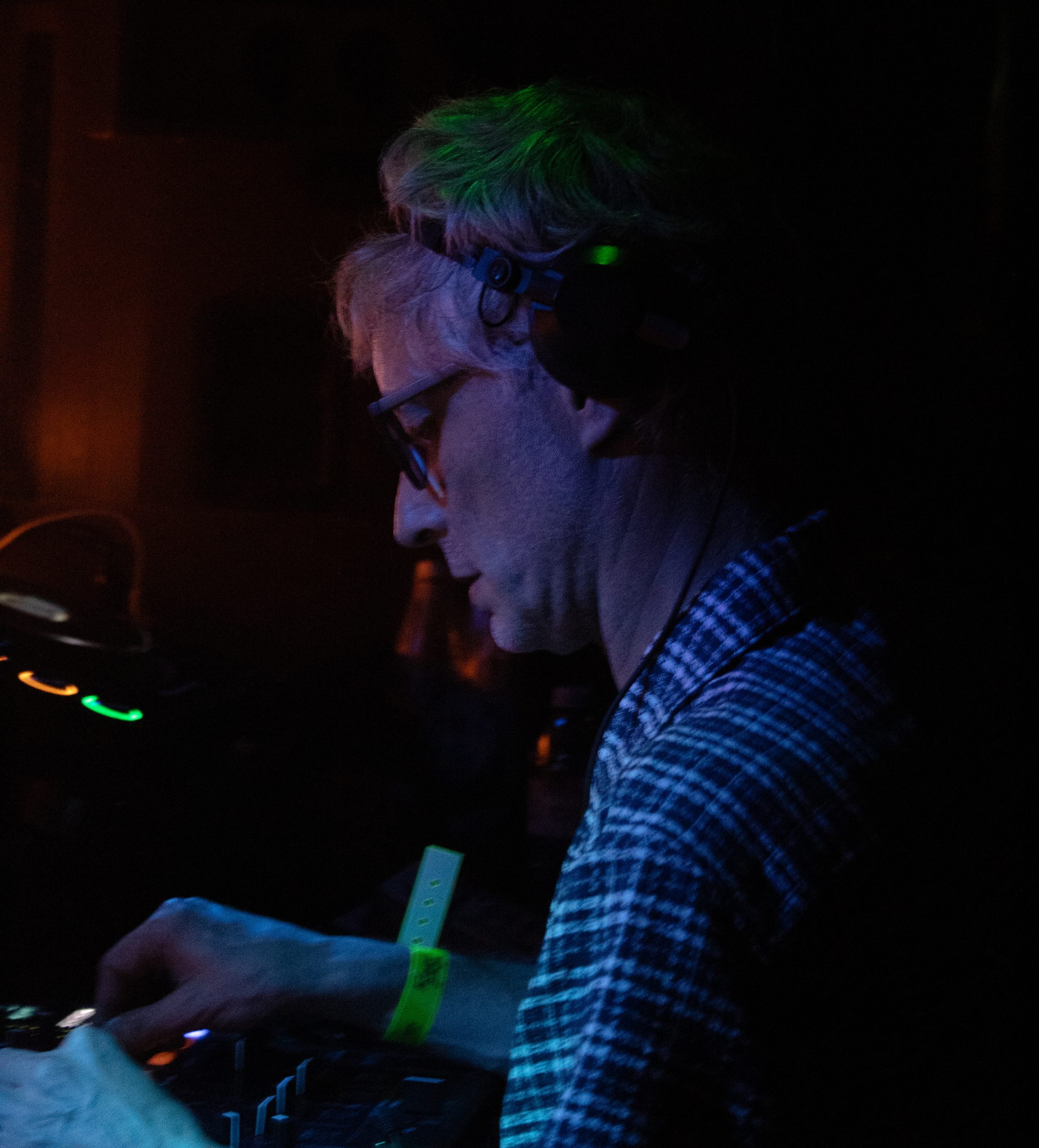
Back in May, writer Tymon Galka attended the Belfast drum-and-bass producer and DJ Calibre’s afterparty for the first night of the 2026 Forbidden Fruit at Wigwam, Dublin, to review the gig and interview Dominick Martin.
The article below was originally written for inclusion in the July edition of The GOO magazine; however, due to an unexpected distribution issue, that edition of the magazine never circulated in print or online. Galka asked if we at Post-Burnout would be willing to publish it. Evidently, we were.
—
Just past 11 PM, Kristina Ambit opened up the night in WigWam’s downstairs. As the doors opened and the crowd formed, the vibe immediately took on the shape of a ’90s fraternity basement. Her set featured jungle for the most part, and up to midnight, people were already dancing, moshing, and interacting with each other. As the night continued, with spilt drinks and strobing lights, more people came in and fewer left.
The queue to the bar grew substantially, and just five minutes out from Calibre’s set, people were cheering, chanting, and absolutely jubilant. The restlessness of the night died down into a depth of sweat that filled the air, thick with ecstasy, which buzzed throughout the room. Dominick Martin’s rumbling basslines inspired the steady, pulsing glow, as LEDs cut through the smoke machine’s fumes.
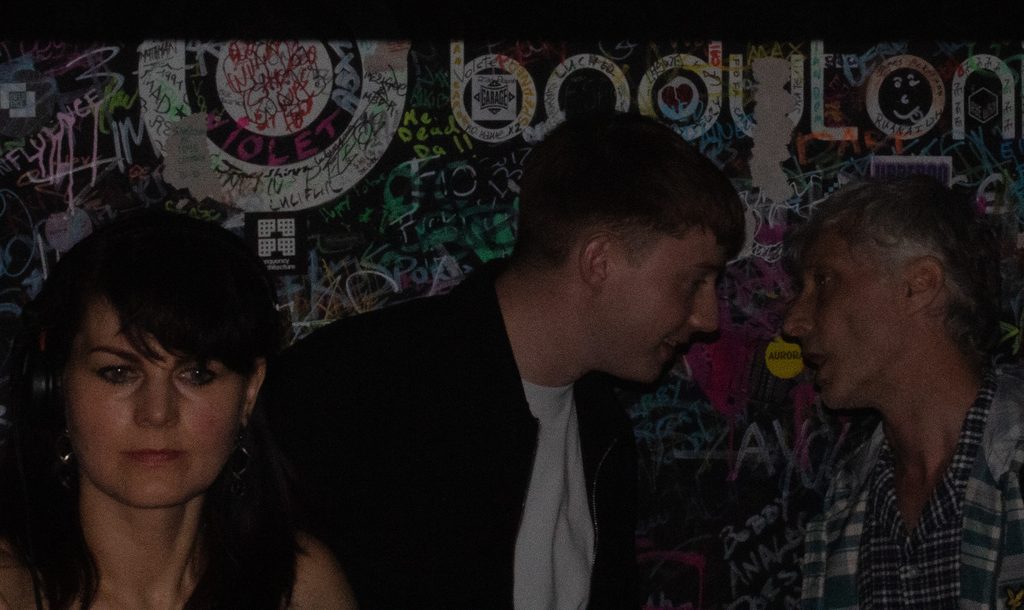
Photo by and courtesy of Tymon Galka
Backstage, the DJ was bouncing between the decks in a flow state, and the whole room shook as people kept in rhythm with the breakbeats and jazzy instrumentation. His unrelenting DnB absolutely exploded into the venue since he came on, and the ever-building anticipation of the night just kept rising. By half 2, his unbroken presence and reverb-drenched tracks created a beautiful, floating ambience that married the funky basslines. The hall echoed with the tidal wave of people’s movements. The night’s vibe was phenomenal, and as it was closing, people were cheering, and the buzz was still going, with the final tune closing out the gig on a high note.
Martin’s set was a part of the Forbidden Fruit Nights; the Belfast-born artist started making music in 1995. With over three decades of experience under his belt, he has a restrained melancholy that encompasses the myriad genres and disciplines he has undertaken.
He told us that he wasn’t sure how to define whether “somewhere actually shapes your music”, further adding, “I reckon the Belfast of the ’80s… the trauma zone… I’m of that last generation that grew up with the troubles. I think it definitely made me feel like I wanted to escape, and that was my driving interest in music early on… to skip the stupid bullshit and have a meditative sort of experience. Not that I know that that’s what it was, but I think that’s what it was. It’s kind of like what came out of it; it was just kind of the result… When I was very young, I was always trying to build stuff and experiment with weird things. The first time I got my hands on any type of instruments, I made drums from cardboard boxes. So I improvised and made ways to make music… maybe the situation in Belfast definitely made me more focused on that”.
With over 100 singles and 25 full-length productions, his albums span across dubstep, techno, and DnB, not to mention his pioneering of liquid funk. With many albums exploring jazz, soul, blues, and folk, Calibre’s sets can last well over three hours as he draws from his extensive library, featuring a few unreleased teasers. Each song melts into the next with genuine grace; it’s hard to distinguish between tracks as his mixing skills are a masterclass in fluidity.
His sound influenced countless others in his circle and those who came after him. The UK DJ, Goldie, has referred to Dillinja and Calibre as the “only two kings of this music… everything between is us”. The artist frequented the Swerve club, famously hosted by the “Godfather of Drum and Bass”, DJ Fabio. Calibre released “Deep Everytime,” one of his most iconic early tracks and the first major hit to feature his own voice. When asked- “You were one of the first drum & bass producers to sing on your own tracks. Did the genre ever fully embrace that, or did it always feel like you were pushing against the grain?” He told us that when the song was released via Creative Source in 2001 (Fabio’s own label), Everything but the Girl had heard the track and asked him to do a vocal remix, or even potentially collaborate with Martin.
To do this, they needed the stems of the song: isolated vocals, drum tracks, and basslines. Calibre admitted he recorded “the channel, and then bounced it, and then destroyed it”. He deliberately deleted or recorded over the individual vocal channels so no one could isolate his voice. As he was very self-conscious about singing at the time, he was the first DnB artist to use his own voice on his track. The DJ admitted he was drunk when recording the raw vocals.
On the first of May, Tricklemore Sea was released. The deeply introspective, melancholic album came out via his independent record label, Signature. Opening with “Little Blend,” a mellow, slow tune that incorporates gentle harpsichord work with minimal percussion. It’s an ambient, decorative track. The psychedelic, plucky sound of the cembalo, with the delicate piano riff bursting through the mix.
Developing into the vocal-heavy, instrument-minimal “Free One”, the vulnerability is genuinely painful. His soft, fragile performance bursts through the seams with a surprising lack of ego, as cymbals and claves flood the mix with a quiet ambiguity. The diminished and minor chords fall and rise as they cry for the piano player’s attention.
The lead single, “Mizzle Mine”, is a masterpiece of atmospheric, downtempo folk influences, celebrated for its softly sung, fragile, egoless performance. It’s laid-back demeanour features warm, spaced-out electronic vibes. There’s a real complexity to the humanity he shows, as compared to his more technical, detached tracks. He says for the most part, he doesn’t need inspiration, but “it’s nice to have inspiration from other shit in your way of writing music. But yeah, I don’t…[think there are] tracks that are mixed, just really functional and have their [own] place in my mind. In sets where I can go and be a bit silly. It doesn’t always happen where I can get those moments so easily. But a long time ago, 20 years ago, doing clubs. This was sort of a pretty easy-going thing. For me, it was a bit of humour as well. Something sort of funny about it, too”.
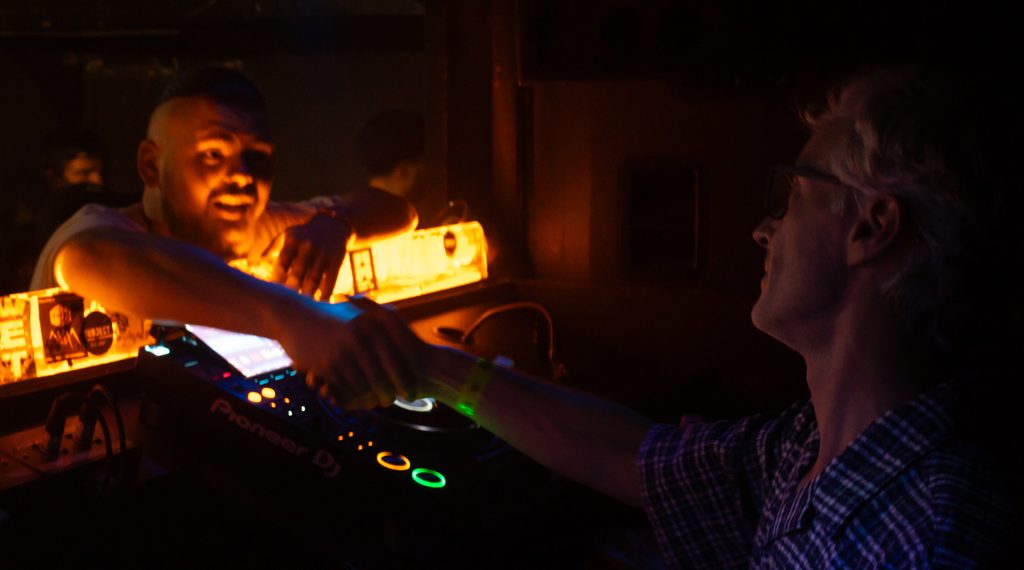
Photo by and courtesy of Tymon Galka
The album closes with “Inbetween”; a swaying, flowing flute soothes your ears as the ambience picks up in the background, with no vocals or percussion. It’s a major departure from tracks he may not play as much anymore. When asked about “Highlander,” he said, “I still like playing it. I hadn’t played it for years, actually, until a few years ago. And then when I started playing it, I thought, you know, it still sounds sort of unique to that time. I still love playing that tune, you know-”
He humoured me, asking:
“-Should I not?”
In his new album, you can feel a real longing for warmth, human presence, and understanding from another person. He tells us that there’s a difference between his introspective albums and DJ sets. He can separate the two “quite easily, DJs can be ambient, like nothingness, or they can be really complex with breaks and things. So everything is welcome if I get a chance to play that stuff. But they have to create context for stuff like that. You can’t just work it like a club, so it’s a bit different”.
Calibre told us he always prefers small clubs compared to stadiums and festivals. Although they have a place, he feels that the nice, warm bass of a dark venue is a “better experience for people”, adding that he likes it because he likes “to feel free, and I don’t feel free when it’s more and more”.
On that night, he felt free, and the room felt it too.
Calibre’s latest album, Tricklemore Sea, is out now. You can keep up with Calibre through his website.

Tymon Galka is an aspiring journalist featured in The GOO and has worked behind the scenes as a runner with Kite Entertainment. He also writes poetry, I guess.