
 POST-BURNOUT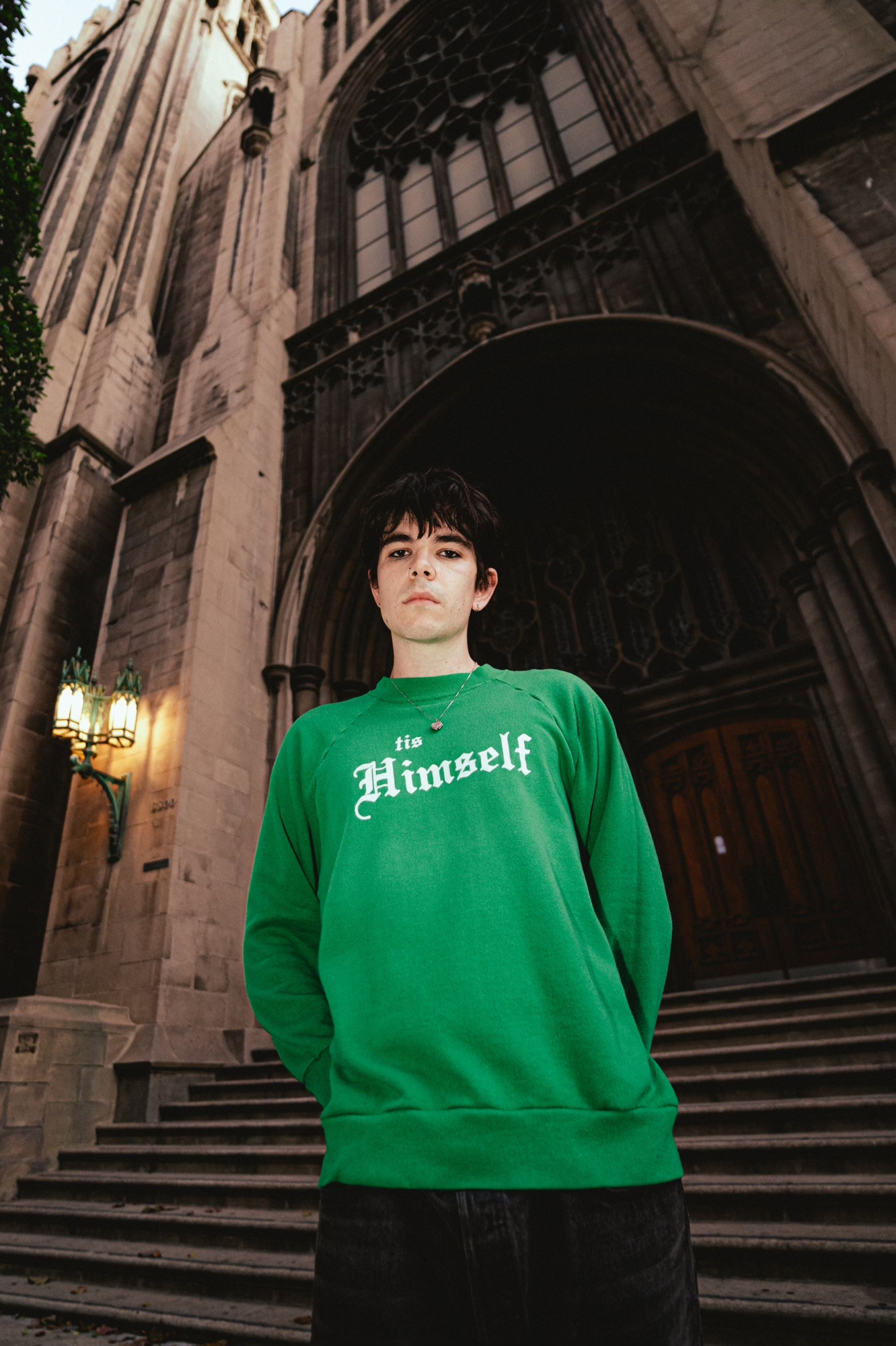
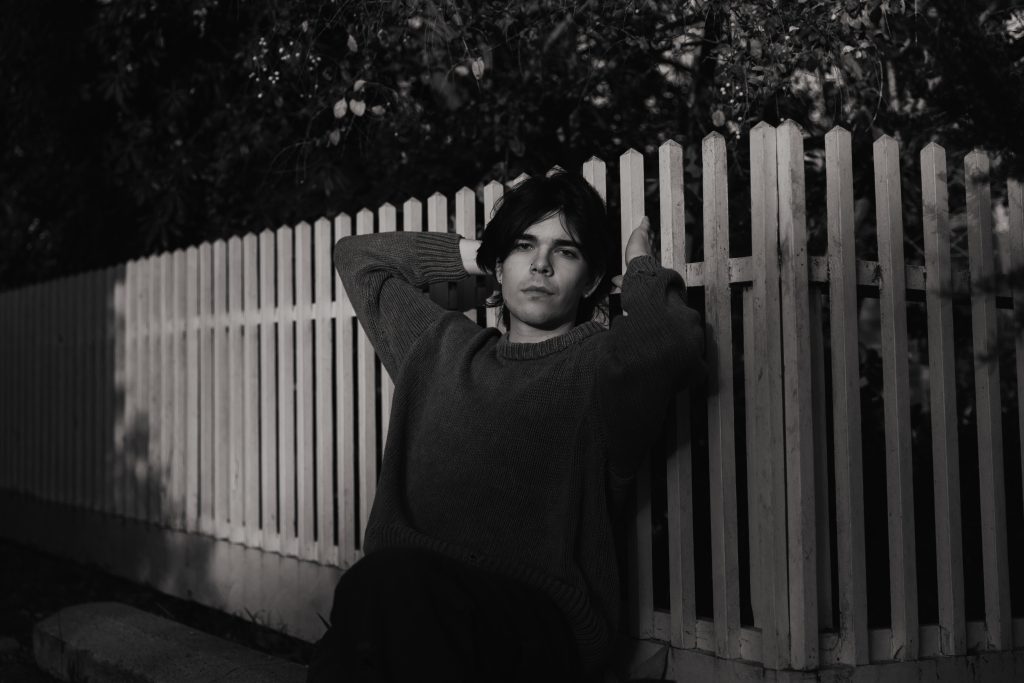
The story of the multi-instrumentalist and producer Brayton Walls begins in Las Vegas, Nevada. Brayton had been experimenting with songwriting since he began playing the guitar at eleven, before adding more instruments to his repertoire.
Despite his interest, Brayton doesn’t believe that his hometown was a fertile ground for new talent. “One of the reasons I got out of Vegas was because of the lack of a music scene,” he tells Post-Burnout. “Vegas is definitely not the stereotypical city that you think it is – The Strip – but, when it comes to the music scene, it very much is, really.
“The only venues there are the MGM Grand and Mandalay Bay. The huge casinos and nightclubs, and things like that. So, the music scene there is actually just Adele, Elton John, Calvin Harris. That’s the music scene in Vegas! So, there’s not really an infrastructure of small-to-medium venues there.”
Now, as an adolescent who had spent much of his youth as a musician and confident in his songwriting abilities, Brayton autodidactically learned how to produce music. Mastering with Pro Tools, which he still uses to this day, he began a new project inspired by Gorillaz.
When he was ready to share the music he was quietly working on, Brayton left town and moved to Portland, Oregon. It was here that he decided he didn’t want to release his tunes under his own name, so he created the pseudonym Phantom Pink as a tribute to the Gorillaz song “The Pink Phantom.”
Courtesy of Think Press
“There were just so many great ideas coming in and out of Portland,” Brayton explains of the move. “And I was in college at that point. Everybody was just exploring and learning. I was using new instruments. I was incorporating new ideas. I was collaborating a lot. I was a producer in this sort of rap collective. I was just doing so much, and expanding my repertoire, and it was just so much fun.”
Through Phantom Pink’s lowly, sombre, and washed-out experimental rock, he gained a following in Portland, which he credits to the city’s art and music scene’s progressive values, receptivity to new ideas, and support for those who want to create. But, unfortunately, he felt a negative aspect of the city begin to creep into his craft.
“In Portland…which I wasn’t used to, being from Vegas, which is a very sunny place…was that you never see the sun, ever, in Portland,” Brayton says. “So, I definitely think that my music started to take on this sadness that I couldn’t shake, you know? It was just kind of a part of me now.”
After the COVID-19 lockdowns lifted, Brayton needed to move again for the sake of both his headspace and his creativity. “I had been there, done that,” he says. “I had played at all the venues, I had played with all the bands. I had done all of it in Portland. I just needed something new. I was getting a bit bored. And the weather, I just couldn’t deal with. I couldn’t survive another winter in Portland.”
Fortunately, an opportunity arose. “I had a friend who lived in Los Angeles,” Brayton explains, “and he was like, ‘Hey, I have an extra room. You should come down and stay with me,’ and I was like, ‘You know what? Yeah!’, and I just kind of spontaneously did it! It was a great move. It was a great idea.”
Unlike Vegas, which had no music scene, and Portland, which had a tight-knit scene, Brayton found L.A.’s scene fragmented and competitive. “There’s a little scene for everybody, I guess,” he says.
Upon arriving, Brayton promised himself he would attend a show each night, which he kept up for a few months before getting tired of it, but in that window, he was able to make connections with fellow musicians and promoters.
“You just have to grind,” says Brayton, acceptingly, of surviving as an artist in L.A. “If you want it, you really have to want it. Because there is infrastructure for you here, but it’s not easy to acquire. […] You have to work your ass off to get it.”
From the music he released after moving to L.A., we can already hear the difference that geography made. For example, his 2023 EP, A Good Color On You, is a very bright and vibrant collection, despite some pretty hard-hitting and vulnerable lyrics.
Yet, when it came time to work on his debut album, Brayton instead decided to focus on the contrast between L.A.’s sunlit sheen and spiritual dimness, and how this affected him on an individual level.
Phantom Pink’s music has always been sincere and introspective, and for his debut album, Brayton envisions it as a document of who he is at this point. “I think this record, Gothika, is sort of this mosaic, almost,” he says. “It’s a clear picture of me. It’s sort of this mosaic, almost fractured look at me, which is Phantom Pink.”
When it comes to expressing the findings from his self-analysis to an audience, Brayton feels that pop culture references are a good place to start. “A lot of the songs on this new record are very horror movie-themed,” he says. “There’s a song on this record called ‘Alice,’ and I’m kind of pulling from one of my favourite horror movies, called Lake Mungo.
“I have a song that’s going to be coming out, called ‘Samus Aran.’ It’s about [the video game series] Metroid; specifically, Metroid Fusion, if you know that one. It’s about being chased around by past selves. I like to pull from everything that makes me me, and I think that this coming record is exactly that. I think it’s the most me thing. It’s about everything around me that makes me me.”
Inspired by Brian Eno’s Another Green World album, Brayton built a concept record with distinct movements. “It’s kind of in three different acts,” he explains. “The First Act is my early life, what made me me. Then, Act Two is my contemporary life, where it’s anger and confusion, and not trying to lose hope, but ending up doing something drastic, and hurting others and hurting myself. Then, the Third Act is trying to return to love, and return to some sort of goodness. It’s going to be quite a long record, actually.”
With Gothika expected to release in September, Brayton wraps our discussion with an admission that some fans may not like the album, but, ultimately, it’s the record he had to make. “It’s going to be a difficult record to digest,” he states. “It’s going to be pretty dense. But I wouldn’t really want it any other way, and I’m happy with how it is.”
Phantom Pink’s debut album, Gothika, is expected to be released in September. You can keep up with the project through their website.
Tune into POSTBURNOUT.COM Interviews… tonight at 22:00 (IST) to hear this interview in full. Available on YouTube, Spotify, Apple Podcasts, and Amazon Music Podcasts.
Aaron Kavanagh is the Founder and Editor-in-Chief of Post-Burnout. His writing can also be found in the Irish Daily Star, Buzz.ie, Totally Dublin, The GOO, Headstuff, New Noise Magazine, XS Noize, DSCVRD and more.