
 POST-BURNOUT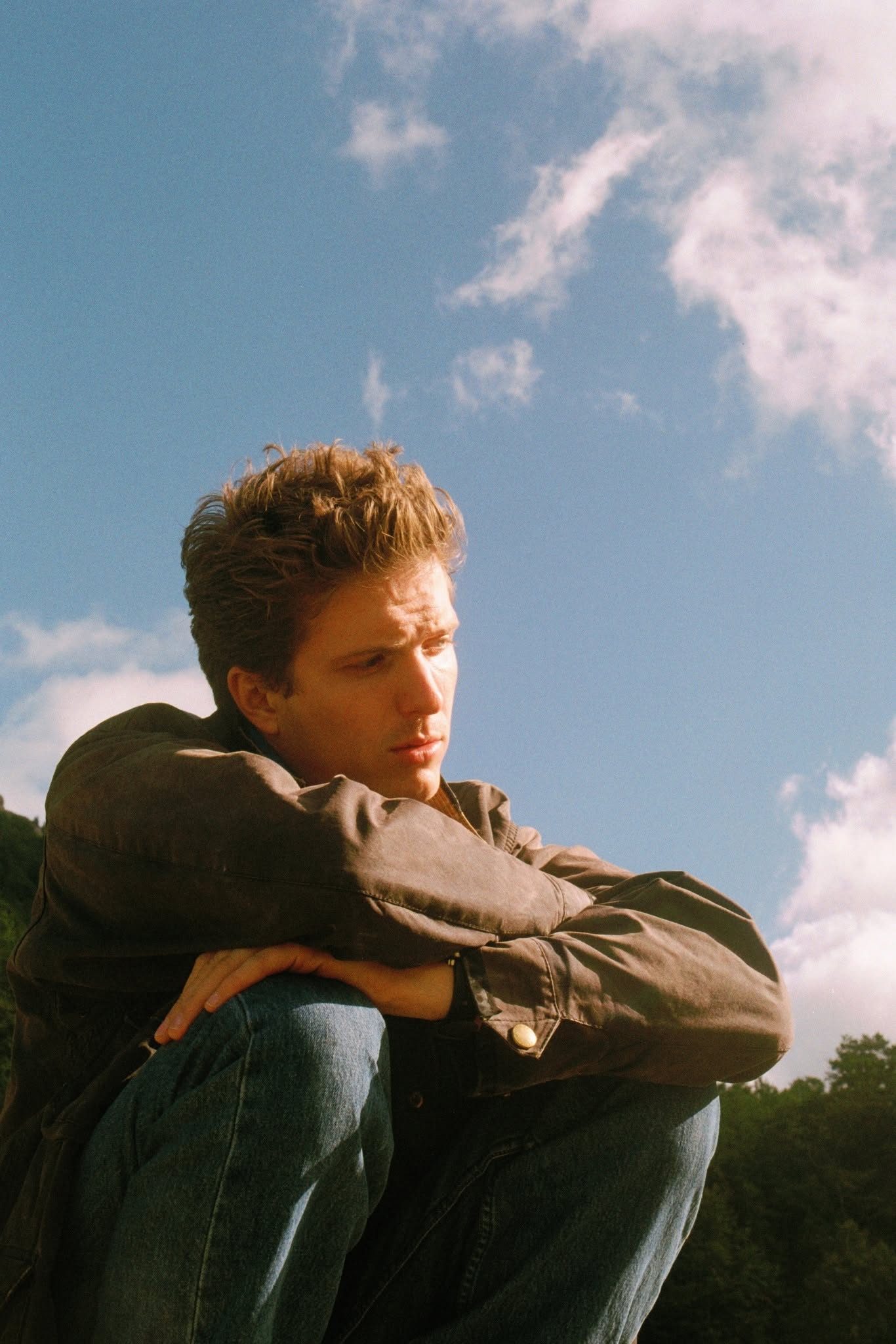
At just 32 years old, the Swedish singer-songwriter Robin Lundbäck has already had what can be described as a long career in the music industry. At just 19, he broke into the industry when he and his brother Tom travelled with their friend John Andreasson to Australia to showcase their boy band, JTR (a combination of their first initials), on that country’s version of The X Factor in 2013, where they were selected by the show’s judge Natalie Bassingthwaighte.
While JTR didn’t win the X Factor competition, when they returned to Sweden, they were signed by their local Sony Music division, and their subsequent singles and albums charted in both their homeland and Australia.
After JTR broke up in 2017, Robin wanted to continue making music, and, by the following year, he released four singles with his new project, Boy in Space. “It’s all building blocks, and it’s all part of the journey,” Robin said of his career when he spoke to Post-Burnout this month. “It’s a part of the story. I learned so many things with JTR.
“One of the core values of Boy in Space is that I’m always going to create exactly what I want to create. There needs to be that creative freedom, and I feel like when you’re in a band, and there are so many opinions, and you’re with a major label, there are expectations of how your hair should be, how you look, how you talk…
“When I had that with the boy band, it was like, ‘I can’t wait to just be able to express myself how I want to express myself.’ So, I think it happened for a reason, it happened at the perfect timing, and it happened just because it needed to. I was yearning to do what I’ve been doing.”
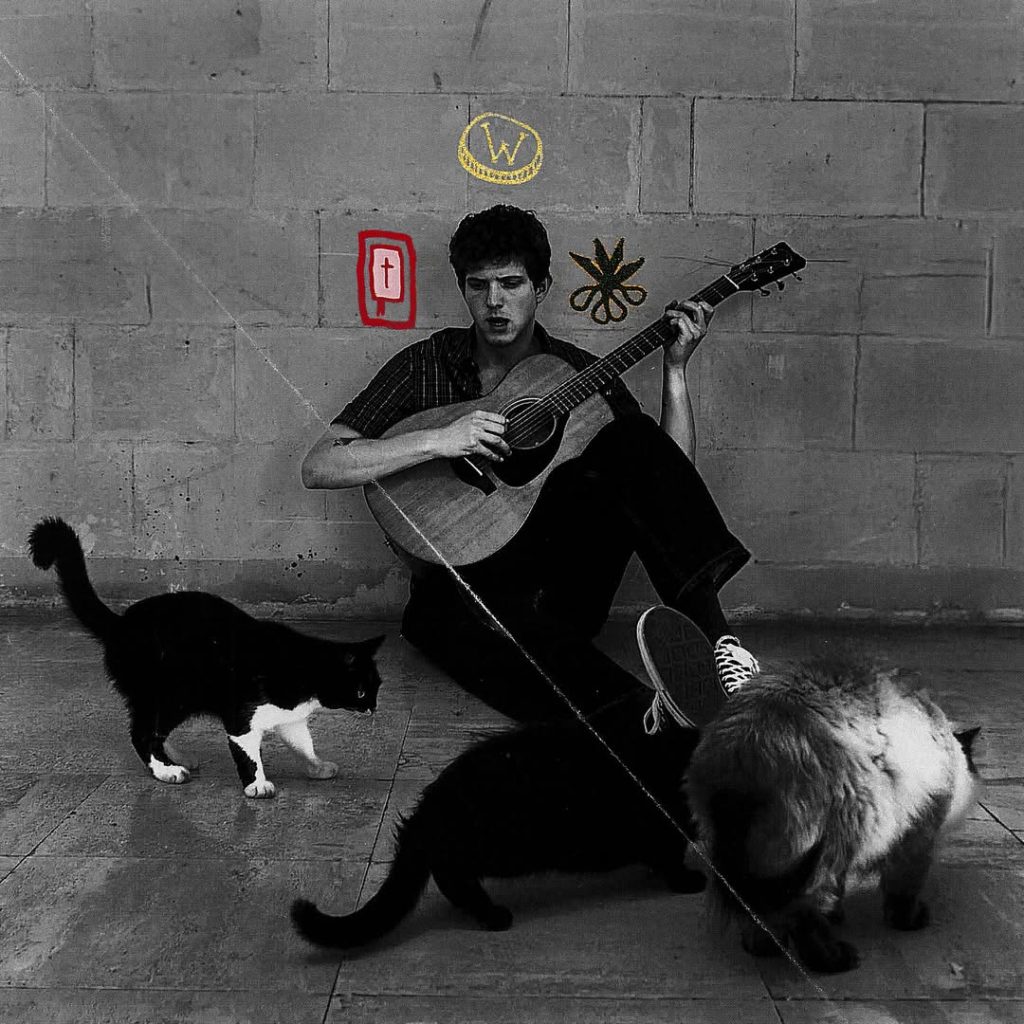
Distributing Boy in Space’s music through indie publishers, Robin’s personal and idiosyncratic pop took off with the release of his track “7UP” in 2019, with the momentum building even more with the follow-ups, “Cold” in 2019 and “Paradise” in 2021, which, at the time of publication, have over a collective 188 million streams on Spotify alone.
Now with this permitted freedom, Robin still chose to make Boy in Space a pop project. “I think pop has changed a lot,” he says of the genre. “Especially since I started, you knew what pop was. I think, today, if you say, ‘Pop,’ people are like, ‘What do you mean, “Pop”?’ […] There are so many subgenres of pop today.
“So, I think, in that way, it kind of becomes a little messy, because it’s harder to find your core audience; it’s very spread out. I feel like every other genre is like, ‘OK, I like rock.’ ‘OK, you’ll probably like this band.’ Whereas, with pop, it’s very hit or miss. It’s very different.”
Boy in Space’s music has often been described as atmospheric and cinematic, yet Robin seems more concerned with what he’s saying than with the production underneath. “I was going through a lot of personal changes from COVID, but also moving into 2023, I was going through a lot of personal stuff,” Robin says of his songwriting.
“During that time, I leaned towards music that didn’t remind me of work. So, I leaped back to old Americana, like a bunch of Simon & Garfunkel, Jackson Browne, [and] Joni Mitchell, and that later became an interest in more modern Americana, and also a bit of country. So, I think throughout 2024, I had this big country phase of my life.”
While Robin had always liked his lyrics, finding them to be both melodically catchy and clever in their turns of phrase, his newfound love of folk, country, and Americana’s storytelling inspired him to tell the truth; his truth.
After a trip to Italy with his wife, Leah Maties (also p/k/a Drew Now; herself, a very accomplished musician who has appeared on America’s Got Talent), she, Robin, and his collaborator and guitarist, Oskar Widén, began writing music for what will be Boy in Space’s debut album, The Man Who Lost It All.
“This is the first time I’m making a real record, I would say,” Robin says of The Man Who Lost It All. “I mean, I’ve done EPs before, and the one thing that we talked about… – me and my label – …before we started making this record was, ‘It can’t be what it’s been before,’ which is a collection of singles, and they all sound different. It needed to be the same producer, and the same master, and from the same room with the same energy.
“So, most of the songs were written within a continuation of two weeks, which is the first time I’ve ever done anything like that, and I kind of surprised myself. [Me, Leah, and Oskar] were just writing song after song, and I think after writing six or seven, we were like, ‘OK, all of these songs are going to be on the album!’
“And it was surprising. I also knew the producer. I obviously knew my partner very well, and she’s an amazing writer, and I think, together, we had the perfect dynamic to make the best music we ever have written.
“I feel like we had that intention, as well. We were pushing each other to be like, ‘How can we think outside the box? How can we do something we’ve never done before? How can we be more intentional with the lyrics? How can we not rush the second verse?’”
Working with his wife to extrapolate ideas and having become immersed in the sincere naked vulnerability expressed by the songwriters in her hometown of Nashville, Tennessee, Robin felt emboldened to truly let fans see him for the first time.
“The concept of the album is true life and true experiences,” Robin says. “Like, truly me going through every room there is in my heart for what I’ve gone through, and expressing that. But I think ‘The Man Who Lost It All’ was just that song that, after the Italy trip, it was different.
“I remember when we listened to all the songs, we were all in tune that ‘The Man Who Lost It All’ is different; it’s a different type of song. It’s such a raw expression. So, in that sense, it may not be the ‘hit-iest’ song on the record, but I was super proud of what we said in that song, and how vulnerable it is, and how honest it is with the lyrics.”
Upon completion, Robin felt satisfied that each of the ten tracks on the record represented real stories from his own life. But, with the album not expected to be released until October, he is worried that some fans may not be ready for it.
“There’s a part of me that was scared about this album,” admits Robin. “Like, there’s things that I’ve done on this album that I’ve never done before, and I think some Boy in Space fans are going to be like, ‘What?! This isn’t the Boy in Space I fell in love with, back in 2018 or 2019!’, and you have to be fine with that sacrifice, because if you’re just safekeeping things, you’re not really creating anymore; you’re just copying.”
However, Robin stresses that he hopes that this new direction will make him more approachable to fans who will see Boy in Space live going forward, as it will break down the audience-entertainer barrier that often makes people afraid to shake his hand after a show.
And maybe Boy in Space’s Irish fans will have the opportunity to introduce themselves to him soon. “I can’t say anything for sure,” Robin trepidatiously says. “But there might be a show in Dublin!”
Boy In Space’s debut album, The Man Who Lost It All, is expected to be released on October 23rd. You can keep up with the project through their website.
Tune into POSTBURNOUT.COM Interviews… tonight to hear this interview in full. Available on YouTube, Spotify, Apple Podcasts, and Amazon Music Podcasts.

Aaron Kavanagh is the Founder and Editor-in-Chief of Post-Burnout. His writing can also be found in the Irish Daily Star, Buzz.ie, Totally Dublin, The GOO, Headstuff, New Noise Magazine, XS Noize, DSCVRD and more.